
History of the Castle
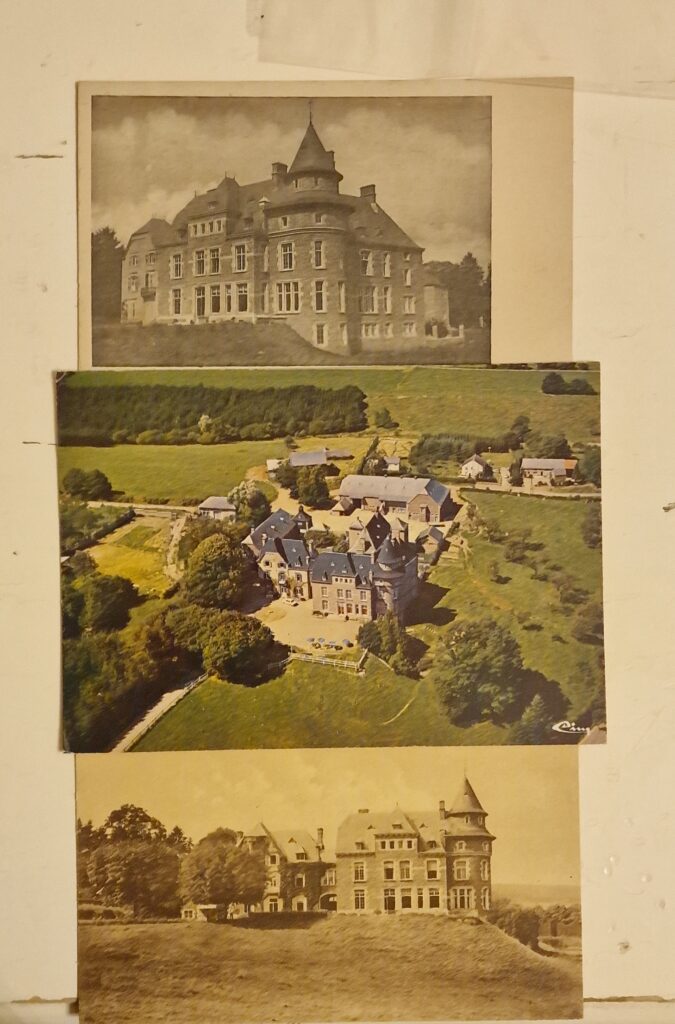
In the heart of the Belgian Ardennes, in the municipality of Érezée, the Château de Blier stands within a landscape of wooded valleys and meadows — a setting that naturally invites wonder and a true sense of escape. Welcome to a place that has remained authentic, passing through the centuries without losing its soul.
From seigneurial origins to the “château-farm”
The first traces of the estate date back to the Renaissance. The oldest element — often described as the “farm” section of the site — was established around the year 1500 by the de Blier family, who occupied the property until the mid-19th century. The family coat of arms is still visible above the entrance porch. It is a powerful image: to pass through this gateway is to step into the history of a place several centuries old.
The layout of the buildings reflects the rural and seigneurial history of the region: an enclosed courtyard, agricultural constructions, and the former manor house flanked by towers. Even today, this silhouette remains a landmark — both simple and imposing — typical of Ardennes estates where daily life, land management and hospitality were combined in one single place..
19th century: transformations and the birth of a holiday residence
Like many historic residences, the estate evolved with its time. From the second half of the 19th century onwards, the site underwent new constructions and transformations. A significant milestone occurred around 1870, when the heir to the lineage, Auguste Seny, commissioned the construction of the “Petit Château de Blier.” A few years later, in 1882, the château was sold to the Wilmart family from Liège — an important turning point, as Blier gradually developed into a place of leisure and hospitality, in keeping with the rise of tourism and countryside retreats.
1890–1905: the “Grand Château,” today’s iconic silhouette
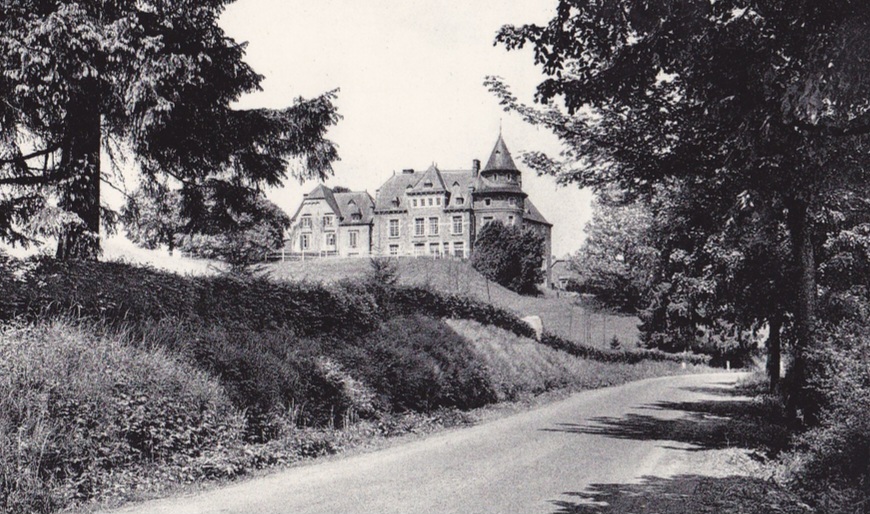
It was Charles Wilmart, the eldest son, who initiated the major construction campaign that gave the estate the appearance we know today. Between 1890 and 1905, he built the “Grand Château” to adapt the residence to a larger family life — he had eight children — and to provide more reception spaces. Provincial administrator and mayor of Amonines, Charles Wilmart died at the château on 18 September 1932.
This period profoundly shaped the architectural identity of the estate: the buildings expanded and harmonised, and the château adopted the appearance that defines its charm today, at the turn of the 20th century.
World Wars: a discreet witness to History
The history of Château de Blier also intersects with the broader history of the 20th century. Four of Charles Wilmart’s sons took part in the First World War — a reminder that even the most peaceful places bear the lasting imprint of conflict.
During the Second World War, the château served as an American command post. Belgian archives also contain references to requisitions and compensation related to the occupation and post-war period, attesting that Blier was, in its own way, involved in the material realities of war and reconstruction.
And today?
After these periods of upheaval, Blier continues its vocation of hospitality. The château has operated as a tourist accommodation establishment since 1997. In the same spirit as its successive builders, the objective remains both simple and precious: to preserve the character of the place while allowing it to live on, bringing together families, friends and teams for shared moments.
It is this continuity — between heritage, nature and conviviality — that makes Château de Blier a truly special place, where one comes as much to celebrate as to breathe.